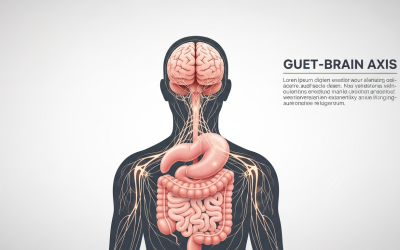

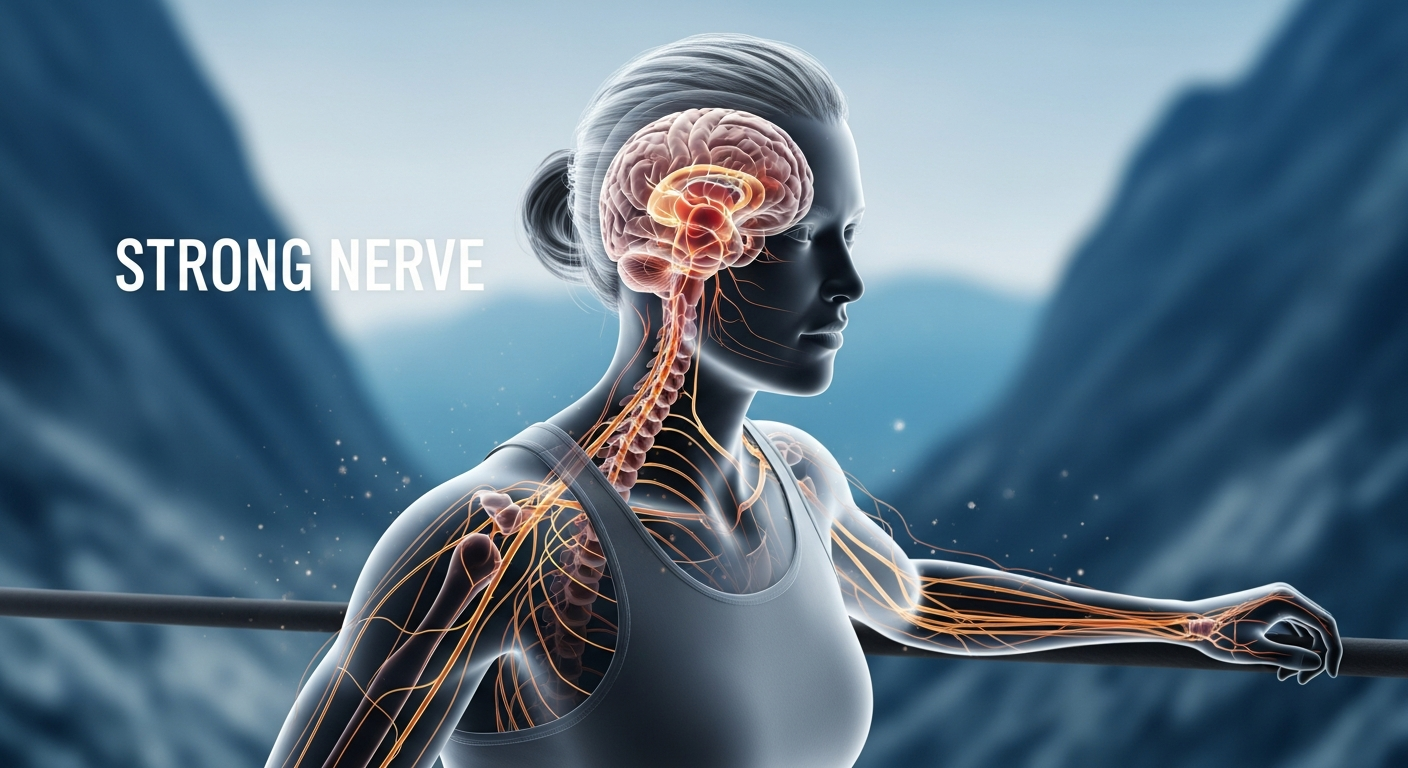
Imagine your body as a bustling city, where the nervous system acts as the high-speed communication network keeping everything connected. Every thought, movement, sensation, and emotion relies on this intricate wiring. Like any system that works nonstop, it needs proper care.
Many believe nerve problems only appear in old age, but the truth is subtler. Stress, poor nutrition, disrupted sleep, and constant digital stimulation quietly weaken nerves long before gray hair appears. Maintaining strong nerves is no longer a luxury—it’s an essential part of everyday wellness.
Strong nerves support mental clarity, faster reflexes, emotional balance, deep sleep, and long-lasting energy. A weakened nervous system can lead to forgetfulness, irritability, tingling, numbness, anxiety, or chronic fatigue. The good news: nerves are adaptable. With consistent nutrition, movement, and recovery practices, you can strengthen your nervous system and protect it for decades.
Many people first notice nerve weakness indirectly—forgetting names, feeling overwhelmed, or struggling to stay calm. These signs rarely indicate disease but often reflect a nervous system under stress.
Nerves need nutrients, oxygen, rest, and stable internal chemistry. When these are lacking, communication between brain and body slows, making you feel mentally sluggish or emotionally unstable.
Modern life presents unique challenges:
Yet the nervous system has a remarkable capacity to recover. With the right support, nerves can rebuild, repair, and stay resilient.
Your diet forms the foundation for strong nerves. Think of food as insulation, fuel, and repair material for the neural network. Proper nutrition keeps memory, mood, and reflexes sharp.
Real-world example: Rahim, a 42-year-old accountant, experienced mental fog during tax season. A checkup revealed low B12 and magnesium. By eating eggs, leafy greens, and nuts and adding a daily walk, his mental clarity returned within a month. His nerves weren’t damaged—they just needed proper nourishment.
The nervous system thrives in a moving body. Exercise increases blood flow to the brain and spinal cord, delivering nutrients and oxygen, while stimulating neural connections that improve coordination, memory, and reflexes.
Example: Maria, a retired teacher, struggled with balance in her sixties. Gentle walks, yoga, and stability exercises for three months improved her coordination, confidence, and emotional well-being. Age didn’t stop her nerves from responding to consistent activity.
Movement is a daily tune-up for your nervous system—restoring rhythm, clearing mental clutter, and strengthening internal communication.
Stress silently erodes nerve strength. Chronic stress raises cortisol, which interferes with nerve repair, disrupts sleep, and slows communication between brain and body.
Counteracting stress is simple but effective:
Sleep is when your nervous system performs essential maintenance. During deep sleep, the brain clears waste, repairs nerve cells, and consolidates memories.
Maintain a consistent sleep schedule with 7–8 hours of rest. A dark, cool room and screen-free routines enhance deep sleep, supporting both mental and physical recovery.
Modern habits can accelerate nerve decline: smoking, excess alcohol, processed foods, long sedentary periods, and dehydration all damage nerve tissue.
Small daily choices—staying hydrated, taking activity breaks, eating whole foods, and reducing alcohol—support long-term nerve health.
Mental stimulation strengthens neural connections and protects against cognitive decline.
Routine checkups complement lifestyle habits. Monitoring vitamin B12, vitamin D, blood sugar, inflammation, and thyroid function helps detect nerve risks early. Preventive care can make the difference between lifelong nerve strength and early decline.
Maintaining a healthy nervous system is about building a lifestyle that supports clarity, balance, energy, and emotional stability. Focus on:
Strong nerves don’t require perfection—they thrive on simple, consistent habits. Every small change today strengthens your nervous system for decades to come.
Explore our other wellness, nutrition, and longevity articles to continue building a healthier, calmer, and more resilient nervous system.
Posted 7:52 pm | Saturday, 29 November 2025
| nm